Synthetic Leather for Automotive Interior
- Home
- Synthetic Leather for Automotive Interior
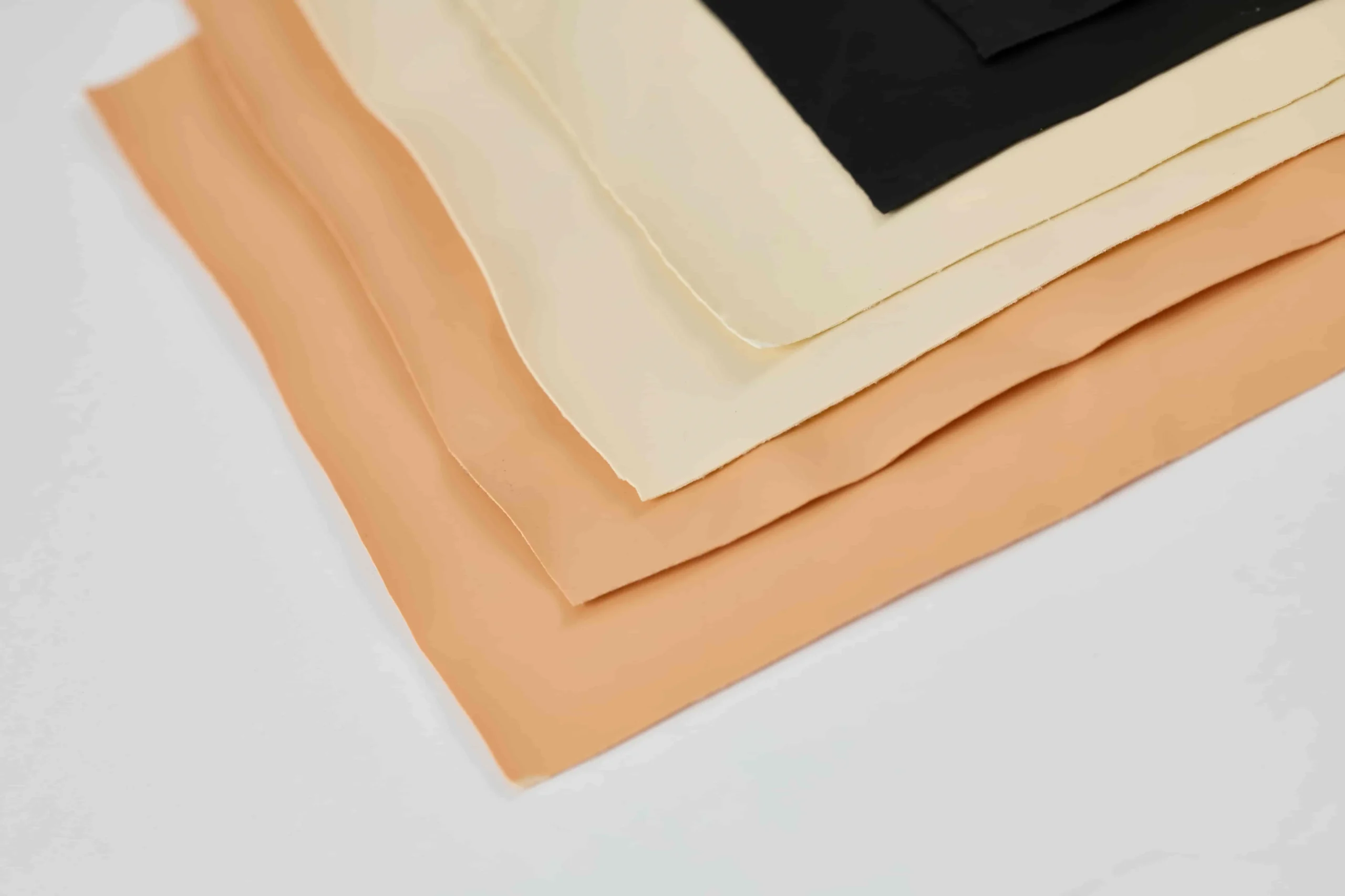
Silicone Synthetic Leather for Car Seat Sofa Yacht
Silicone leather is a high-performance material characterized by temperature resistance (-40℃~200℃), UV resistance, high flame retardancy, hypoallergenic properties, antibacterial and anti-toxin capabilities, chemical resistance, hydrolysis resistance, wear resistance, waterproofing, stain resistance, and non-toxic environmental friendliness.
Thanks to its unique properties, it is widely used in sports equipment, infant and child products, medical supplies, electronics, high-end automotive interiors, luggage, and apparel industries. Applications include diving suits, sports gloves, clothing, bags and luggage, baby pacifiers, phone cases, medical beds, car seats, etc.
Silicone leather perfectly substitutes animal leather, aligning with green consumption trends while ensuring durability and strength in use.
| Product Parameters | |
|---|---|
| Model NO. | |
| Usage | Diving suits, car seats, sports gloves, clothing, bags and luggage, baby pacifiers, phone cases, medical beds |
| Width | 137cm |
| Material | Silicone leather for clothing, car seats, sports gloves and bags etc. |
| Backing | Twill , T/C , Spunlace, Knitted , Fur , Bonded |
| Thickness | 1.1mm |
| Feature | Temperature resistance, UV resistance, high flame retardancy, non-toxic environmental friendliness |
| Color | Customizable |
| MOQ | 500m each color |
| Certificate | REACH 53, 73, 84, 138, 144; ROHS(Phthalate Free) |
| Product instruction | |
| Payment | 30% TT deposit in advance, 70% balance before shipment T/T |
Who We Serve & Common Pain Points
Target Customers
- Automotive interior manufacturers
- Car seat and trim OEM / ODM factories
- Automotive brands and Tier suppliers
- Vehicle interior material sourcing companies
Common Challenges
- Material degradation under heat and UV exposure
- Odor and VOC concerns in enclosed interiors
- Difficulty meeting flame retardancy and safety standards
- Limited durability of traditional PU or animal leather
- Increasing demand for sustainable and animal-free materials
Our Automotive Interior Material Solutions
We approach automotive interior applications from a performance-driven and compliance-focused perspective:
Recommend silicone leather for high-temperature and high-UV environments
Support material customization for thickness, color, and surface finish
Ensure stable performance across long-term use and repeated production
Assist customers in meeting safety, environmental, and regulatory requirements
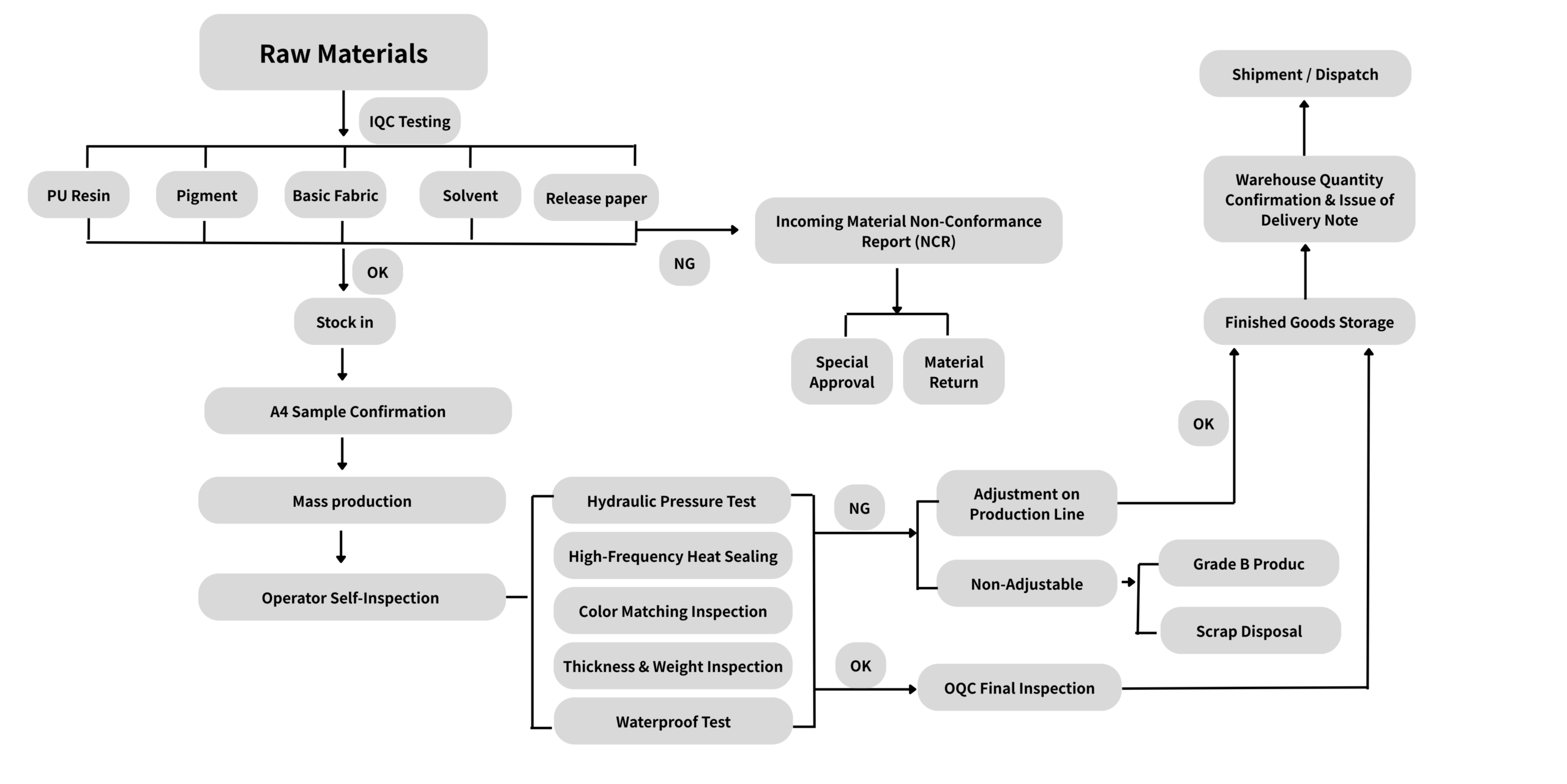
Quality Control Process