
Contents
Good-quality faux leather lasts 5-10 years in upholstery use, with microfiber-based material reaching 10-15 years and low-grade PU failing in as little as 1-3 years. Lifespan is determined by material grade, construction, and care — not by the “faux leather” label itself.
The Short Answer
There is no single lifespan for faux leather because the category spans everything from thin fashion PU to engineered microfiber leather. As a practical range: low-grade PU: 1-3 years · standard PU: 5-8 years · PVC: 3-8 years · microfiber PU: 8-15 years — all assuming normal indoor use. The dominant failure mode, peeling, is almost always a quality problem: thin topcoat, weak backing, or poor stabilizer package. Buy quality and protect from heat and UV, and faux leather performs far better than its reputation suggests.
Lifespan by Type
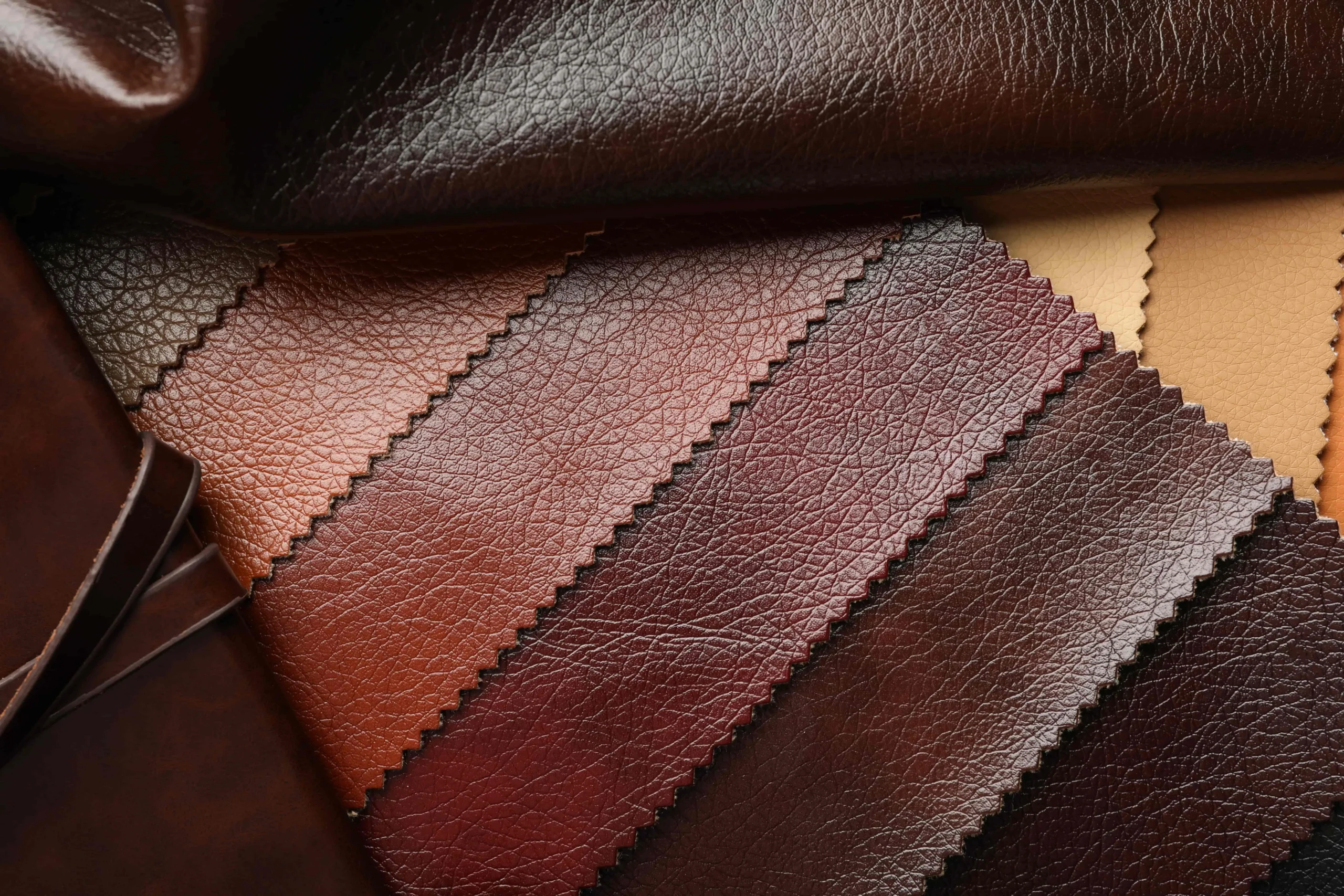
| Material | Typical Lifespan | Main Failure Mode |
|---|---|---|
| Low-grade PU | 1-3 years | Peeling, cracking |
| Standard PU leather | 5-8 years | Surface wear, dulling |
| PVC leather | 3-8 years | Plasticizer migration, cracking |
| Microfiber PU | 8-15 years | Slow surface wear |
| Silicone leather | 8-15+ years | Minimal (high stability) |
The pattern is clear: the more engineered the construction, the longer the life. A microfiber base adds tear resistance the same way rebar adds strength to concrete — the coating has something tough to hold onto. That is why premium automotive and office seating specify microfiber PU even though it costs more. Meanwhile PVC grades sit at the lower end of the lifespan range, and OEKO-TEX® certified materials at the higher end of each range.
What Determines Durability
- Coating quality: topcoat thickness and polymer grade set abrasion and peeling resistance.
- Backing construction: dense knit or microfiber bases resist seam and tear failure.
- Stabilizers: UV stabilizers and anti-oxidants slow degradation from light and heat.
- Plasticizer package (PVC): better plasticizers migrate slower, delaying stiffening.
- Use conditions: flexing, friction, heat, humidity, and sunlight all accelerate wear.
- Care: cleaning agents and heat exposure can either protect or destroy the surface.
How Faux Leather Fails
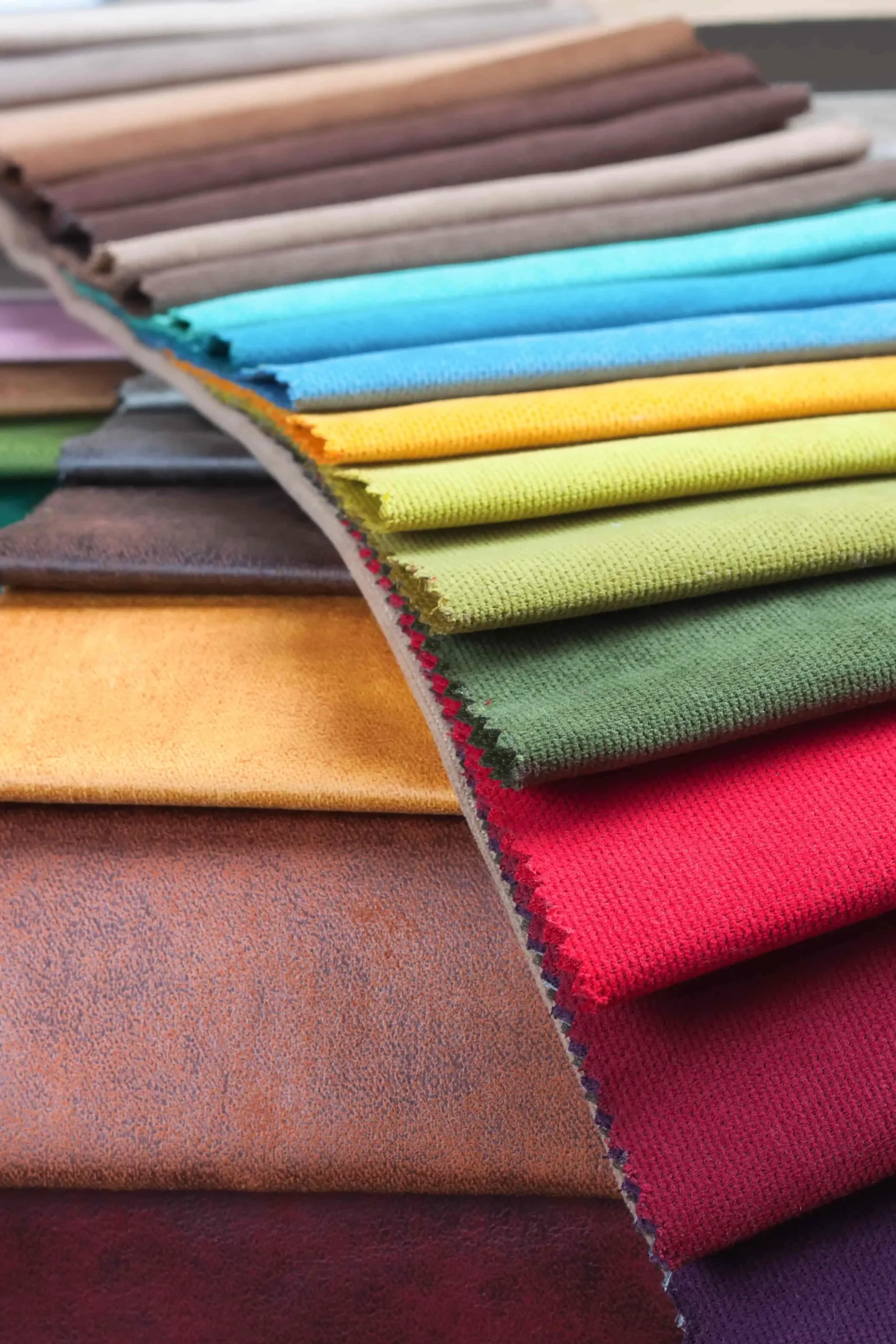
Faux leather fails in three predictable ways. Peeling — the topcoat separates from the backing — happens when the coating is too thin or adhesion is weak; it is the most common complaint and the most quality-dependent. Cracking happens as polymers lose flexibility through plasticizer migration or UV oxidation; PVC is most susceptible. Surface wear — gradual dulling, scuffing, and shine loss — is normal aging on any coated material and the least dramatic failure. Each failure mode points to a specific fix at the spec stage: thicker coating, stronger backing, or better stabilizers.
How to Make It Last Longer
- Keep it out of direct sun: UV is the fastest degrader of both PU and PVC.
- Clean gently: wipe with a soft damp cloth and mild soap; avoid alcohol, acetone, and abrasive cleaners.
- Manage heat: avoid heat sources and enclosed hot spaces that speed plasticizer loss.
- Condition lightly: a UV-protectant conditioner for vinyl/faux leather adds a sacrificial layer.
- Rotate cushions and seats: spread flexing and friction evenly across the surface.
Faux vs Real Leather Lifespan
| Factor | Faux Leather (Quality Grade) | Real Leather |
|---|---|---|
| Typical lifespan | 5-10 years (up to 15 with microfiber) | 15-25+ years with care |
| Aging character | Dulls, may peel or crack | Develops patina |
| UV resistance | Fair (stabilizer dependent) | Good |
| Repairability | Difficult | Repairable by craftsmen |
| Cost over lifespan | Lower upfront, shorter life | Higher upfront, longer life |
The honest trade-off: real leather outlives faux leather and can be repaired, which is why it holds value on heirloom furniture. Faux leather wins on upfront cost and ease of care. For buyers who keep furniture for decades, real leather is the better economics; for buyers who refresh interiors every 5-10 years, quality faux leather delivers the leather look at a fraction of the price.
Lifespan by Application
Use conditions move the numbers more than the material type. Residential sofas (moderate use): 5-10 years for quality PU. Automotive seats (UV + heat + friction): 4-8 years for standard PU, 8-12 for microfiber PU. Restaurant seating (constant abrasion): 3-6 years for heavy-duty PVC or PU. Garments and bags (low abrasion, high flex): 3-6 years. When commissioning material for a specific application, the right question is not “how long does faux leather last” but “what grade does my application require” — a spec conversation worth having with the supplier before production.
FAQ
Why does my faux leather peel after a year?
Peeling inside 1-3 years indicates low-grade material — a thin topcoat or weak adhesion on the backing. Quality PU with a proper coating weight does not peel this quickly. Sun exposure accelerates the failure.
Does faux leather last as long as real leather?
No. Quality faux leather lasts roughly 5-10 years versus 15-25+ for well-cared-for real leather. Microfiber-based faux leather narrows the gap but does not close it.
Which faux leather lasts the longest?
Microfiber PU leather lasts longest (8-15 years) because the non-woven base resists tearing and the PU topcoat wears slowly. Silicone leather is comparable and highly UV-stable.
Can I make my faux leather sofa last longer?
Yes — keep it out of direct sunlight, clean with mild soap and water, avoid alcohol-based cleaners, and use a UV-protectant conditioner. These steps significantly extend surface life.
Does faux leather crack in cold weather?
PVC stiffens and can crack in very cold conditions. PU stays flexible in cold. If the product faces freezing temperatures, spec PU or silicone rather than PVC.
Engineered for Longevity, Certified for Export
Sources: Wikipedia – Leather.