
Contents
Faux leather care is simple: clean gently with mild soap and water, never use alcohol or solvents, and protect it from prolonged sun and heat. Done consistently, this routine adds years to PU, PVC, and microfiber leather — the biggest killer of faux leather is not dirt, it is harsh chemicals and UV exposure.
The Golden Rule of Faux Leather Care
Understand what you are cleaning. Faux leather is a polymer coating on a fabric backing — the surface is a plastic-like film, not tanned hide. That changes everything about care: it is naturally water-repellent and easy to wipe clean, but it is vulnerable to chemicals that dissolve or swell polymers. Alcohol, acetone, and strong solvents will strip, whiten, or crack the surface — avoid them completely. The three things faux leather actually needs are: gentle regular wiping, protection from UV, and avoidance of heat. Everything else is optional.
Daily & Weekly Cleaning
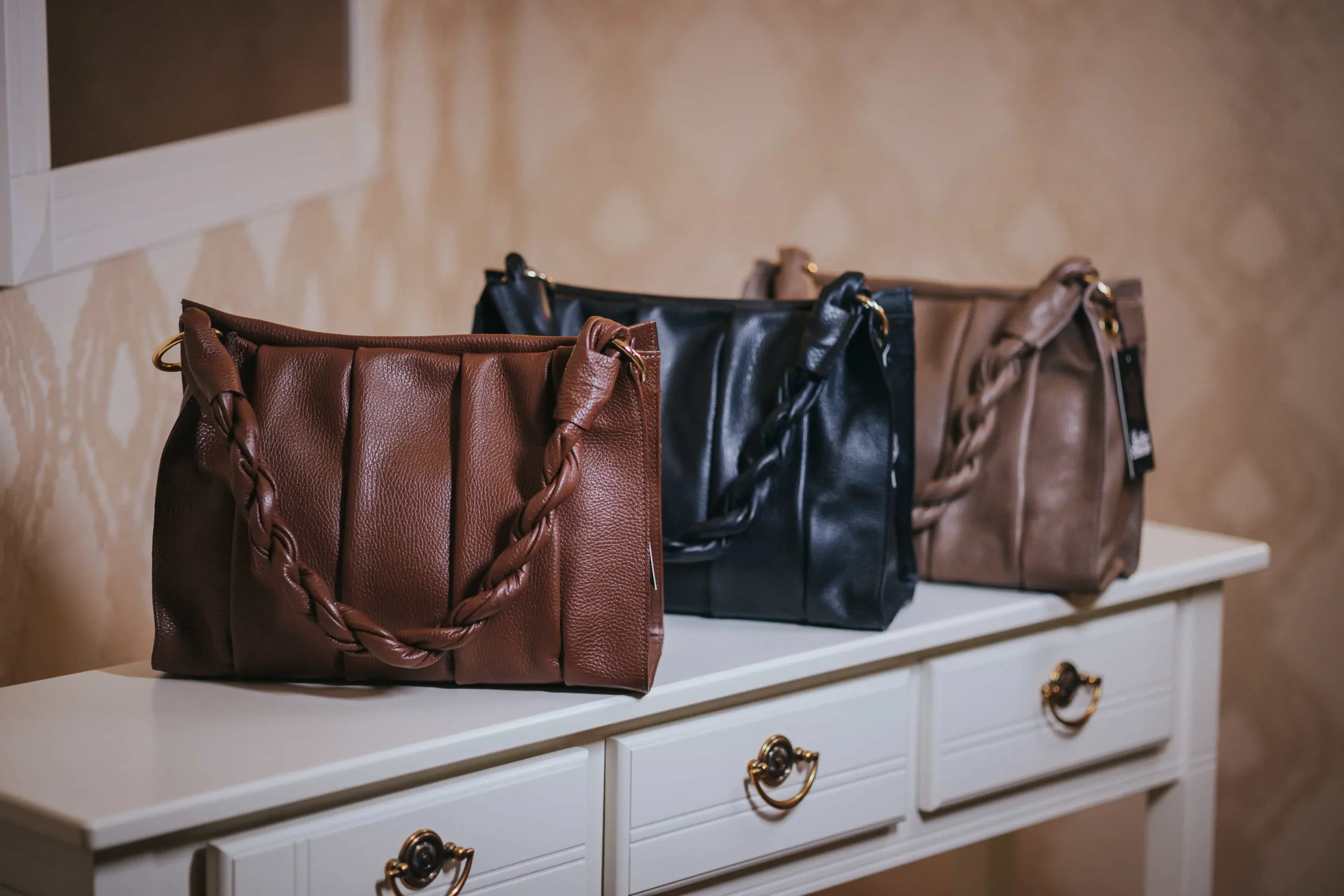
- Dust regularly: wipe with a soft, dry microfiber cloth to remove surface grit before it embeds.
- Weekly wipe-down: dampen a cloth with lukewarm water and a drop of mild soap (dish soap or baby soap), wipe the surface, then go over it with a clean damp cloth to remove soap residue.
- Dry properly: pat dry with a soft towel; never leave standing water on the surface.
- For car seats: vacuum crumbs first, then use the same mild soap routine; gentle leather cleaning methods work for synthetic surfaces too.
Frequency matters less than consistency: a 5-minute weekly wipe prevents the build-up that forces harsh cleaning later.
How to Remove Stains Safely
| Stain | Safe Method | Never Use |
|---|---|---|
| Water / juice | Blot with damp cloth, dry | — |
| Oil / grease | Mild dish soap + water, blot; repeat | Solvents, nail polish remover |
| Ink / pen | Isopropyl alcohol 70% on a cotton swab, dab gently | Scrubbing, acetone |
| Makeup / sunscreen | Mild soap solution, gentle circular motion | Abrasive pads |
| Food / coffee | Blot immediately, then soap solution | Bleach |
For stubborn stains, work from the outside in and be patient — aggressive scrubbing damages the topcoat faster than the stain does. When in doubt, always test any cleaning product on a hidden area first.
Should You Condition Faux Leather?
Unlike real leather, faux leather does not absorb oils — its surface is a sealed polymer film — so conditioning is not necessary and can do harm. Petroleum-based conditioners can leave a greasy film that attracts dust, and some contain solvents that soften the coating. The one useful product category is a UV-protectant spray or cream designed for vinyl/faux leather, which adds a sacrificial layer against sunlight. Apply sparingly per the product label. If you are deciding between conditioning and not conditioning, the default answer is: skip it, protect from UV instead.
UV, Heat & Storage Protection
- Block direct sun: UV is the #1 degrader — use curtains, windshield shades in cars, and avoid south-facing window placement.
- Manage heat: keep furniture away from radiators and fireplaces; don’t park in direct sun for hours if avoidable.
- Mind hot objects: hot mugs, irons, and laptops can soften or discolor the coating — use coasters and barriers.
- Storage: store garments on padded hangers with room to breathe; fold bags with tissue inside to hold shape.
The Do’s and Don’ts Cheat Sheet
- ✅ DO wipe spills immediately — dried stains are 10x harder to remove.
- ✅ DO use mild soap, lukewarm water, and soft cloths only.
- ✅ DO protect from direct sunlight and heat sources.
- ✅ DO test new cleaning products on a hidden area.
- ❌ DON’T use alcohol, acetone, bleach, or solvent cleaners.
- ❌ DON’T scrub with abrasive pads, brushes, or steel wool.
- ❌ DON’T use leather conditioners that are not labeled for faux/vinyl.
- ❌ DON’T sit on wet faux leather or leave standing water on it.
Care Differences by Type
All faux leathers follow the same gentle routine, with small adjustments by type. PU leather: most sensitive to alcohol and heat — keep solvents away entirely. PVC leather: more chemical-tolerant but stiffens in cold and is the most UV-sensitive — protect it diligently. Microfiber leather: the suede-like reverse side needs a dry brush, not water, while the PU face cleans like standard PU. Silicone leather: the most forgiving — resists UV, heat, and most chemicals, and cleans with plain soap and water. Knowing which type you own tells you how much caution is needed. Understanding the polyurethane chemistry behind most faux leather also explains why certification — such as OEKO-TEX® Standard 100 — matters when choosing materials for products that touch skin.
FAQ
Can I use water to clean faux leather?
Yes — lukewarm water with a drop of mild soap is the standard safe cleaner for faux leather. Wipe gently, then remove soap residue with a clean damp cloth and dry.
Does rubbing alcohol damage faux leather?
Rubbing alcohol can strip, whiten, or crack the polymer coating, especially on PU. Use 70% isopropyl sparingly for ink stains on a cotton swab, but never as a general cleaner.
Should I use leather conditioner on faux leather?
No. Faux leather does not absorb oils, so conditioner leaves a greasy film. Use a UV-protectant product designed for vinyl/faux leather instead.
How do I clean faux leather car seats?
Vacuum first, then wipe with mild soap and water, and finish with a clean damp cloth. Use a windshield shade to protect seats from UV when parked.
Why does my faux leather crack despite care?
Cracking usually comes from UV, heat, or low material grade — PVC and thin PU degrade over time regardless of care. If cracking starts, the coating has aged out; no cleaner reverses it.
Low-Maintenance Material Starts with the Right Spec
Sources: Wikipedia – Leather Cleaning.