
Contents
Faux leather car seats deliver the leather look, easier care, and lower cost, while real leather offers longer life, breathability, and prestige. For most daily drivers, quality faux leather — especially microfiber-based — is the smarter buy; for those who keep cars long-term and value natural aging, real leather still justifies its price.
The Short Answer
Car interiors are the toughest environment for any upholstery material: searing summer heat, UV exposure, constant flexing, and friction from daily entry and exit. Real leather handles this environment with a 15-25 year lifespan when cared for, but it is expensive and requires conditioning. Faux leather is far cheaper and wipes clean easily, but standard PU can degrade in 4-8 years under automotive conditions. The modern compromise — microfiber-based synthetic leather — performs close to real leather at a fraction of the cost, which is why most mass-market “leather” interiors are actually premium faux leather.
What Real Leather Car Seats Offer
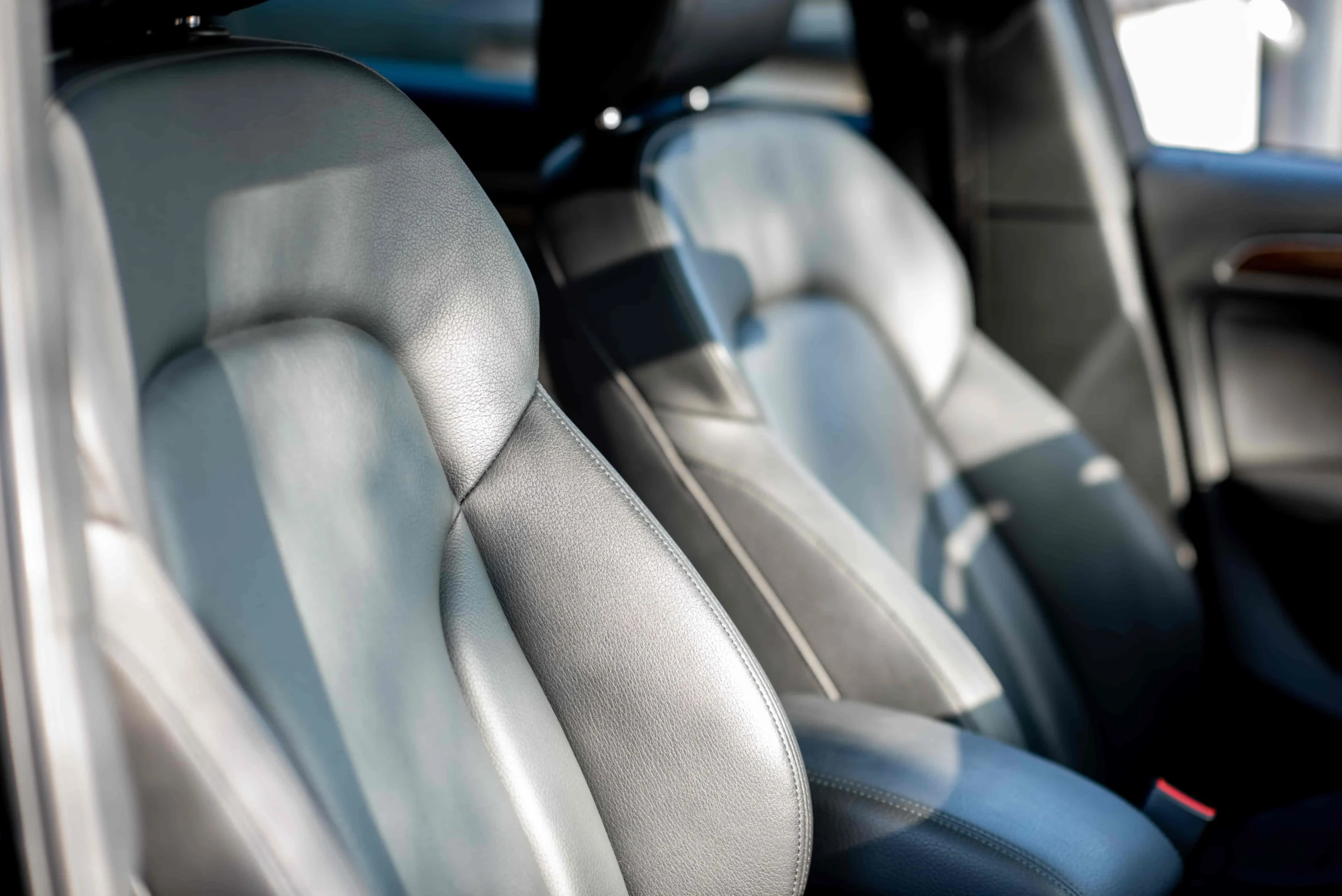
Real leather in cars is typically top-grain or corrected-grain hide, tanned and finished for automotive grade. Its advantages are genuine: natural breathability (it does not trap heat the way coated synthetics do), a supple hand that improves with age, repairability by upholstery craftsmen, and a prestige signal that buyers recognize. Its disadvantages are real too: high cost, sensitivity to UV and heat if unprotected, and maintenance — leather needs periodic cleaning and conditioning or it dries, cracks, and fades. In hot climates, dark leather seats absorb heat fiercely.
What Faux Leather Car Seats Offer
Faux leather car seating has evolved far beyond the cracking vinyl of the 1980s. Modern automotive-grade faux leather uses thick PU topcoats on dense knit or microfiber bases, with UV and heat stabilizers engineered for cabin conditions. The payoff: consistent texture, easy wipe-clean care, lower weight, and a cost typically 40-60% below real leather. The trade-offs: it runs warmer in summer than real leather, does not develop patina, and even good grades wear faster than quality hide. For families, pets, and daily commuters, the practical advantages of faux leather — cleanability and cost — often outweigh its weaknesses.
Head-to-Head Comparison
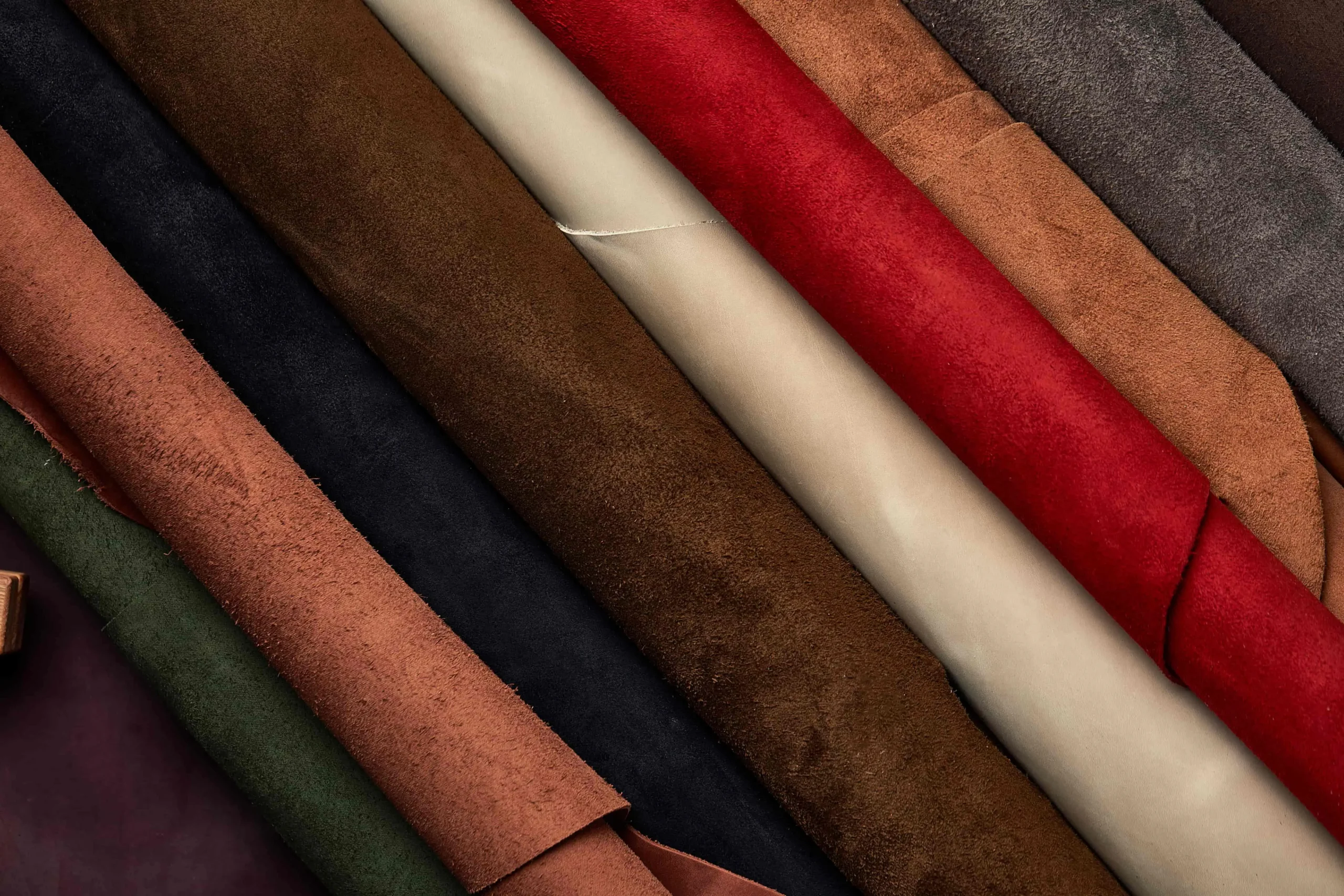
| Factor | Faux Leather Seats | Real Leather Seats |
|---|---|---|
| Initial cost | Low to medium | High |
| Lifespan (car use) | 4-12 years by grade | 15-25 years with care |
| Heat comfort | Warm, sticky in summer | Breathable, cooler |
| Maintenance | Wipe clean | Clean + condition |
| UV resistance | Good (stabilizer dependent) | Good when protected |
| Repairability | Difficult | Repairable |
| Resale value | Lower premium | Higher premium |
The Heat and Wear Challenge in Cars
Cabin temperatures can exceed 60°C in summer sun, and a parked car bakes interior surfaces daily. Heat does three kinds of damage to coated materials: it softens and ages the polymer, it accelerates plasticizer migration in PVC, and it speeds UV degradation of the topcoat. Real leather is more forgiving — it dries out and can crack, but it recovers with conditioning. This is why automotive-grade faux leather must be specified, not substituted: a furniture-grade PU will fail in a car cabin, while an automotive-grade microfiber PU with proper stabilizers holds up for a decade. If you are a manufacturer sourcing interior material, ask the supplier for automotive-specific formulations.
Durability in Daily Driving
Daily use concentrates wear on specific zones: the side bolsters (entry/exit friction), the seat cushion (constant compression), and the headrest (UV exposure). In these conditions, standard PU shows wear in 4-6 years and may peel in 5-8. Microfiber-based synthetic leather resists tearing far better because the non-woven base distributes stress — it is the standard for premium OEM interiors for exactly this reason. Real leather, being a full hide, resists abrasion naturally and tears rarely, which is why high-mileage cars from the 2000s still have original leather that looks respectable.
Cost and Resale Value
The economics are straightforward: faux leather saves money upfront and saves time on maintenance, but adds little to resale value; real leather adds a premium when selling and, on well-maintained cars, can cost less over a 15-year ownership period than replacing faux leather twice. If you keep cars 3-6 years, faux leather is the efficient choice. If you keep cars 10+ years, real leather’s longer life and repairability win the cost comparison. For commercial fleets, faux leather’s wipe-clean durability and lower replacement cost make it the default specification.
How to Choose
For anyone specifying interiors at scale — seat cover manufacturers, accessory brands, fleet buyers — the decision is material science, not preference. Automotive-grade synthetic leather from a dedicated manufacturer comes with test data: abrasion cycles, heat aging, UV stability, and compliance certification that tells you exactly what the seat will survive.
FAQ
Is faux leather good for car seats?
Yes, when automotive-grade. Quality microfiber-based faux leather lasts 8-12 years in cars, wipes clean, and costs far less than real leather. Furniture-grade faux leather will fail in a car cabin.
Do faux leather car seats get hot?
More than real leather. Coated synthetics have lower breathability, so they trap heat. Ventilated seats or light colors help, and microfiber-based faux leather breathes better than standard PU.
Which lasts longer in a car, real or faux leather?
Real leather lasts longer — 15-25 years with care versus 4-12 years for faux leather by grade. The gap narrows with microfiber-based synthetic leather, which reaches 10-12 years.
Is real leather worth the extra cost in a car?
It depends on ownership period. Over 10+ years with proper care, real leather can be better value and adds resale premium. For shorter ownership or family use, faux leather is the efficient choice.
Can you repair faux leather car seats?
Minor scuffs can be touched up, but peeling or cracking on faux leather is hard to repair invisibly. Real leather can be cleaned, dyed, and re-stitched by professionals.
Automotive-Grade Faux Leather for Interiors
Sources: Wikipedia – Leather; Wikipedia – Microfiber.