Contents
Yes — leatherette, faux leather, and pleather all refer to synthetic leather: man-made material designed to imitate real leather. The differences are marketing and era, not chemistry. “Leatherette” is the industry-flattering term, “faux leather” the modern standard term, and “pleather” the dated slang — all can describe the same PU or PVC material.
The Short Answer
Leatherette, faux leather, and pleather are interchangeable terms for the same category of synthetic leather. “Pleather” (a blend of “plastic” and “leather”) dates from the 1970s-80s when the material was mostly cheap PVC. “Leatherette” became the industry’s more elegant name. “Faux leather” (French for “false”) is now the standard, least loaded term. The label tells you almost nothing about quality — a “leatherette” can be premium microfiber PU or bargain PVC; always evaluate the material itself, not the name.
The Three Terms, Decoded
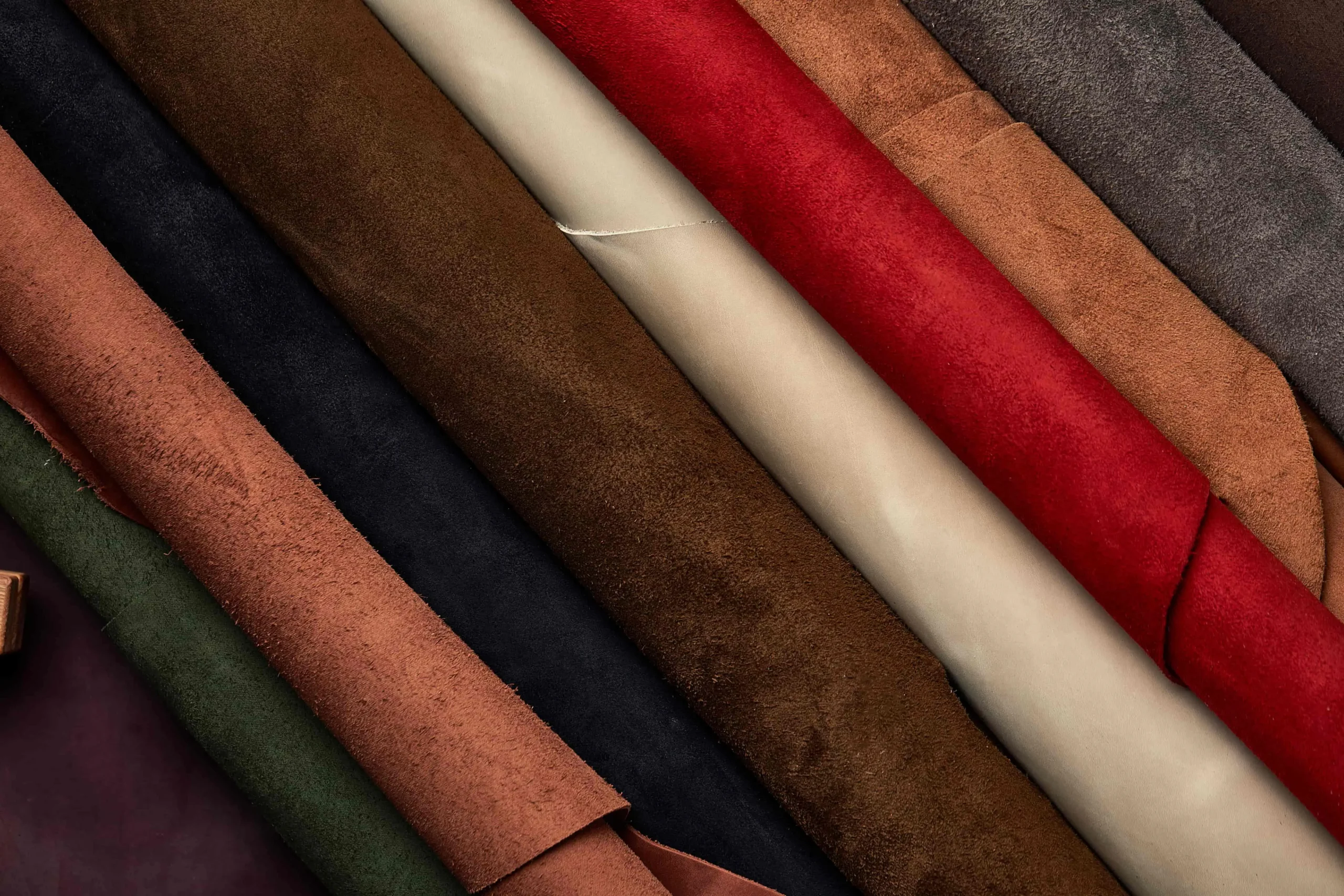
- Faux leather: the generic, modern term for any synthetic leather — PU, PVC, microfiber, or silicone. Used by the industry and consumers alike; the safest word to search and buy with.
- Leatherette: an elegant-sounding synonym, common in furniture and automotive marketing (“leatherette interior”). Same materials, better branding.
- Pleather: dated slang for plastic-based synthetic leather, usually implying cheap PVC from an earlier era. Still heard in casual conversation and pop culture.
All three describe coated fabric engineered to look like leather. None of them is a specific material specification.
Where Each Term Came From
The vocabulary tracks the material’s history. Early synthetic leathers of the mid-20th century were PVC-based — stiff, plastic-smelling, and prone to cracking — and earned the dismissive nickname “pleather.” As polyurethane materials improved in the 1980s-90s, manufacturers wanted a name that captured the improved softness and leather-like hand without the negative baggage, so “leatherette” entered furniture and auto marketing. “Faux leather” rose with the modern sustainability conversation, where it doubles as a vegan-friendly label. The evolution mirrors the material’s own: from cheap vinyl to engineered premium synthetics.
Why “Pleather” Has a Bad Reputation
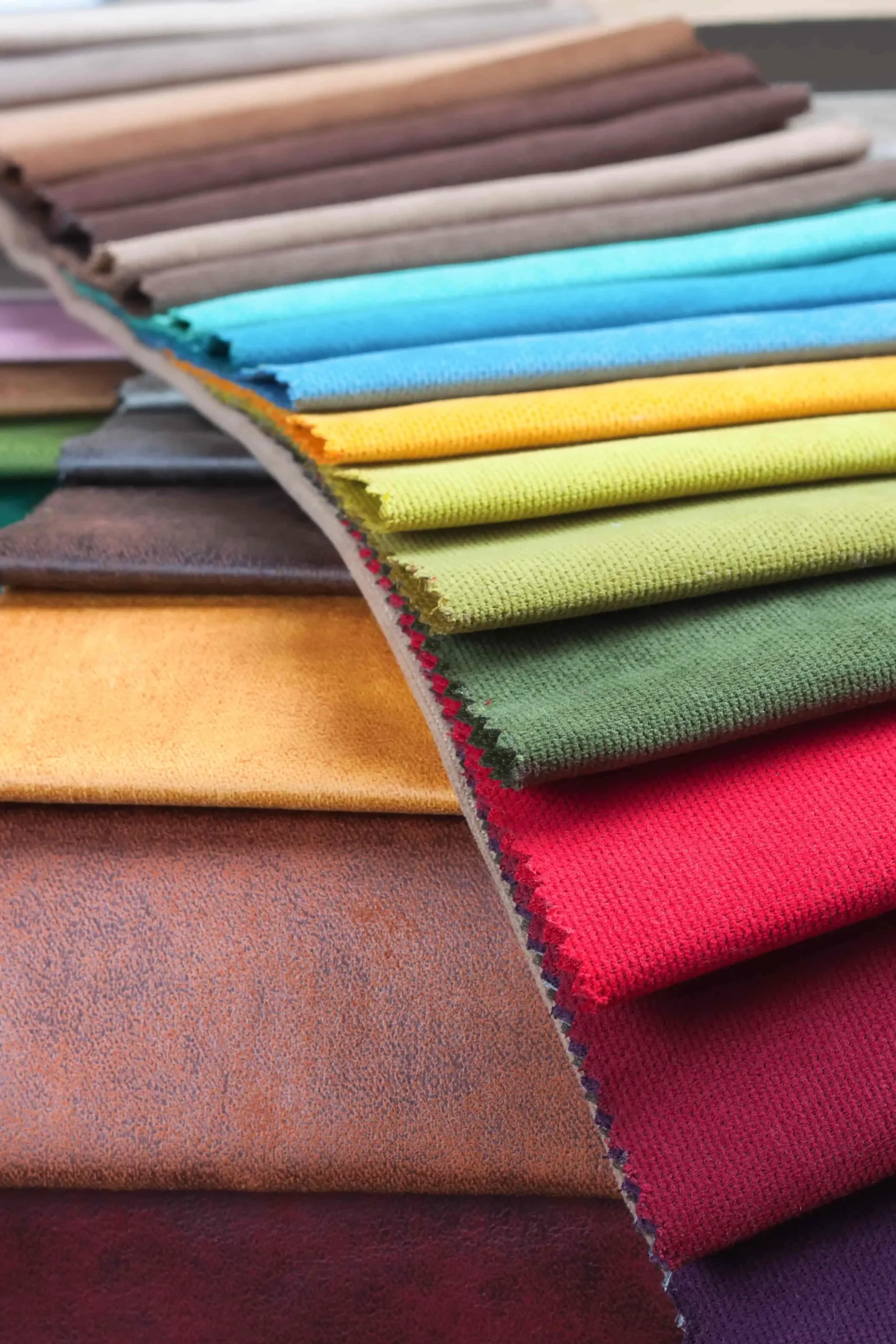
Pleather’s bad name comes from its era. 1970s-80s pleather was low-quality PVC: it felt like plastic, smelled like a shower curtain, stiffened in cold, and cracked within a couple of years. People who lived through that era carry a justified skepticism — but the material has changed dramatically since. Modern PU and microfiber synthetics share only the concept with old pleather, not the performance. If you are rejecting “pleather” based on memories of the 80s, you are rejecting a material you haven’t met yet. Judge today’s synthetic leather on test data and hand feel, not on the word used to sell it.
Comparison Table
| Term | Means | Typical Material | Connotation | Modern Usage |
|---|---|---|---|---|
| Faux leather | Any synthetic leather | PU, PVC, microfiber, silicone | Neutral, standard | Widest, preferred |
| Leatherette | Synthetic leather (marketing) | Usually PU | Elegant, premium | Furniture, automotive |
| Pleather | Synthetic leather (slang) | Historically PVC | Cheap, dated | Casual speech |
How Quality Varies Within Each Term
Because the terms are interchangeable, quality is determined by what is under the label. Four factors matter: the polymer (PU generally outranks PVC for feel and longevity), the coating weight (thicker topcoats resist peeling), the backing (dense knit or microfiber bases resist tearing), and the stabilizer package (UV and heat protection). A premium “leatherette” sofa and a bargain “faux leather” sofa may differ by 10x in lifespan while sharing a label. This is why the smartest buyer move is to ignore the term and request specifications: abrasion cycles, flex test results, coating weight, and third-party certification like OEKO-TEX® Standard 100.
What Buyers Should Actually Ask
- What polymer is it? PU, PVC, silicone — this sets the performance baseline.
- What is the backing? Knit, woven, or microfiber non-woven — this sets tear resistance.
- What are the test results? Abrasion (Martindale), flex, tensile — this sets durability expectations.
- Is it certified? OEKO-TEX® Standard 100 covers harmful substances for consumers.
- Where will it be used? Automotive needs UV/heat grades; residential furniture needs less.
FAQ
Is leatherette the same as faux leather?
Yes. Leatherette is a marketing-friendly synonym for faux leather. Both describe synthetic material designed to imitate real leather — usually PU or PVC.
Is pleather bad quality?
Historically yes — 70s-80s pleather was cheap PVC that cracked and smelled. Modern synthetic leathers share only the concept, not the quality. Judge current material by spec, not by the old reputation.
Which term should I search when buying?
“Faux leather” gives the widest, most accurate results. “Leatherette” appears in furniture and automotive listings. “Pleather” mostly appears in casual or budget contexts.
Can leatherette be as good as real leather?
In some ways yes — modern microfiber PU matches or exceeds low-grade real leather in consistency, tear resistance, and ease of care. It will not develop patina and generally has a shorter lifespan than quality hide.
Are all synthetic leathers vegan?
Almost all PU/PVC/microfiber synthetics are vegan (no animal components). Some “bio-based” options may include animal-derived ingredients, so check the composition if vegan certification matters.
Whatever You Call It, We Make It Right
Sources: Wikipedia – Leather; Wikipedia – Polyurethane; OEKO-TEX® Standard 100.