



Short answer
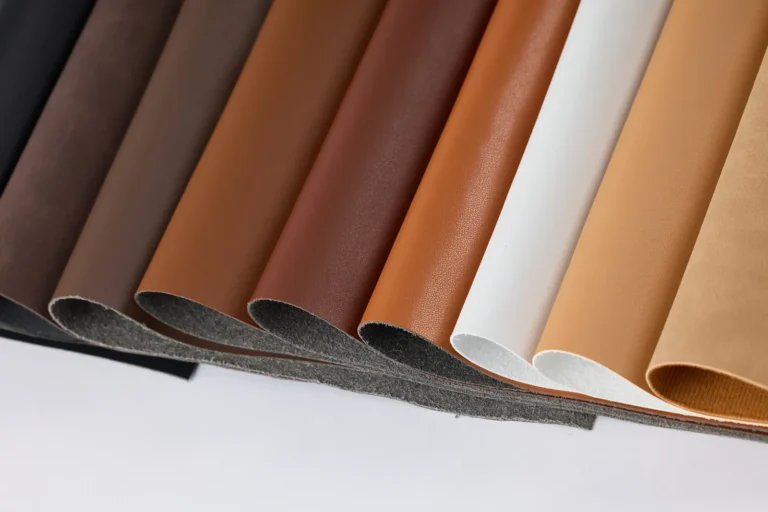
Bicast leather is a split leather product with a polyurethane coating, embossed to look like a finer leather. The base is real animal hide; the surface is plastic. Split leather is the uncoated lower layer of the hide, and PU leather is usually fully synthetic. A listing that says only “PU leather” can mean either, so buyers should ask which one it is.
Key Takeaways
- Bicast has a real-hide base and a PU surface, so it is semi-synthetic.
- Fully synthetic PU leather contains no animal hide.
- A listing that says only “PU leather” may be either, unless it states 100% synthetic.
- US FTC guidance expects the unqualified word “leather” only for products made substantially of leather.
- Ask for the base material in writing and test the finished product.
What is bicast leather?
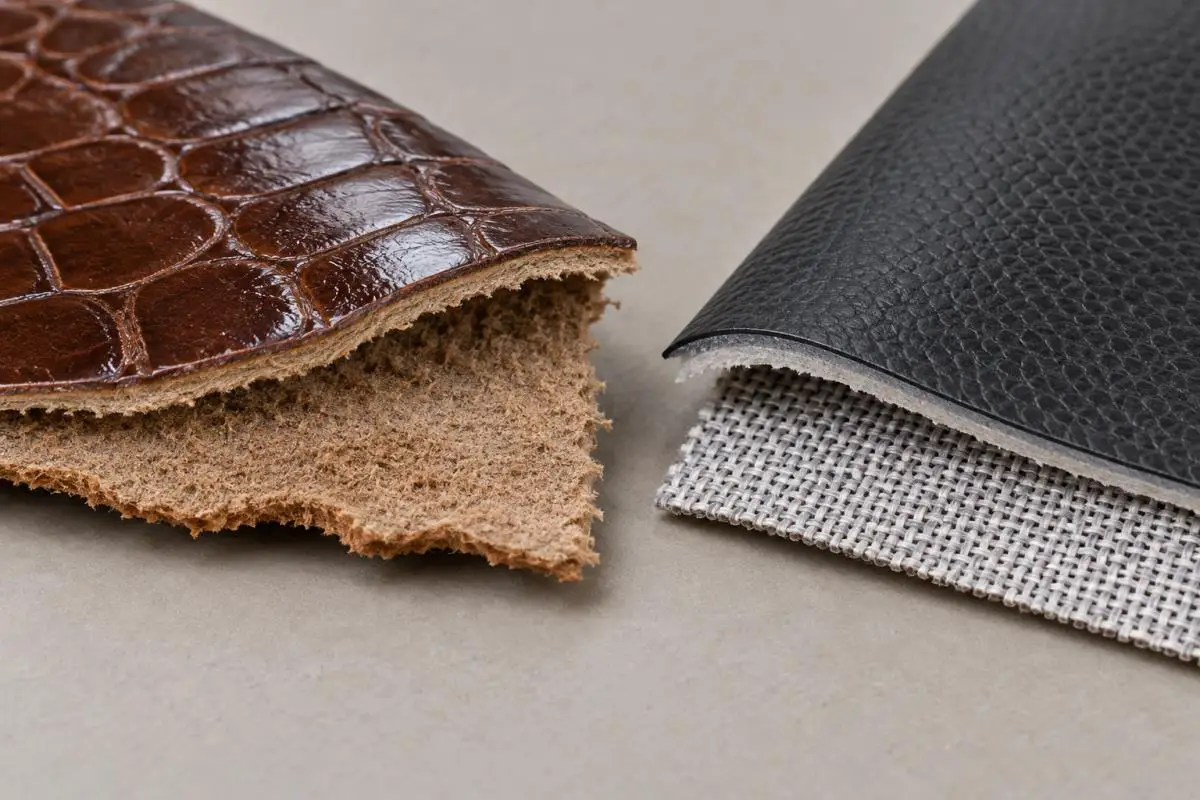
Bicast leather is a lower layer of split hide coated with polyurethane and embossed with a grain pattern. Two sources describe the same structure. BestLeather says the hide is split, the top grain is removed, and the remaining lower layer is coated and embossed to look like real leather. Sihoo, a furniture seller, lists bicast as a real-hide product with a PU coating and calls it semi-synthetic.
In practice that means:
- Real base: the fibers come from animal hide.
- Plastic face: the visible grain is a PU layer, not natural grain.
- Other names: BestLeather says it is also sold as laminated or reconstituted leather, and as “leatherette” in some countries.
How is bicast different from split leather?
Bicast is coated split leather, and plain split leather is not coated. Split leather is the lower layer left after the grain is separated from the hide. Bicast takes that lower layer and adds a polyurethane surface.
- Split leather: a natural fiber surface, often finished or napped, typically without the embossed PU layer.
- Bicast leather: the same kind of layer, covered with PU and embossed.
- Why the PU layer is added: it typically gives a uniform grain and color on a layer that has no natural grain.
For the other end of the hide, see our guide to full-grain leather vs nubuck.
How is bicast different from PU leather?
PU leather is usually a fabric with a polyurethane layer and no hide, while bicast has a hide base. A listing that says only “PU leather” can describe either one. Sihoo warns that a product labeled just “PU leather” could be either type unless the listing says it is 100% synthetic or vegan-certified.
| Property | Split leather | Bicast leather | PU leather (fully synthetic) |
|---|---|---|---|
| Base | Real hide, lower layer | Real hide, lower layer | Fabric or fiber base |
| Surface | Natural fibers, finished or napped | PU coating, embossed grain | PU layer, embossed or smooth |
| Animal material | Yes | Yes | No |
| Typical claim to check | Which layer, which finish | Whether “leather” is allowed in the name | Whether it is 100% synthetic |
For the fully synthetic family, read our ultimate guide to PU leather.
How is bicast different from bonded leather?
Bicast uses a continuous layer of hide, while bonded leather is made from ground or shredded leather fibers. The US Federal Trade Commission’s Guides for Select Leather and Imitation Leather Products say a material containing ground, shredded, reconstituted or bonded leather should not be represented as leather. If the terms “bonded leather” or similar are used, the guides call for disclosing the percentage of leather fibers and of non-leather substances, for example “Bonded Leather Containing 60% Leather Fibers and 40% Non-leather Substances.”
For that comparison, see our article on bonded leather vs faux leather.
Is bicast leather real leather?
Bicast leather contains real hide, but it should not be sold as plain leather. The FTC Guides say it is deceptive to use the unqualified term “leather” or unqualified terms suggestive of leather unless the product is composed in all substantial parts of leather. They also say that non-leather material that looks like leather should be disclosed as, for example, imitation or simulated leather, and that the backing should be disclosed when it is not obvious.
Two limits apply. The Guides list specific items such as bags, wallets, footwear and belts, so check how they apply to furniture or other products. They are administrative guidance, not legal advice, so confirm your labels with a qualified adviser.
How durable is bicast leather?
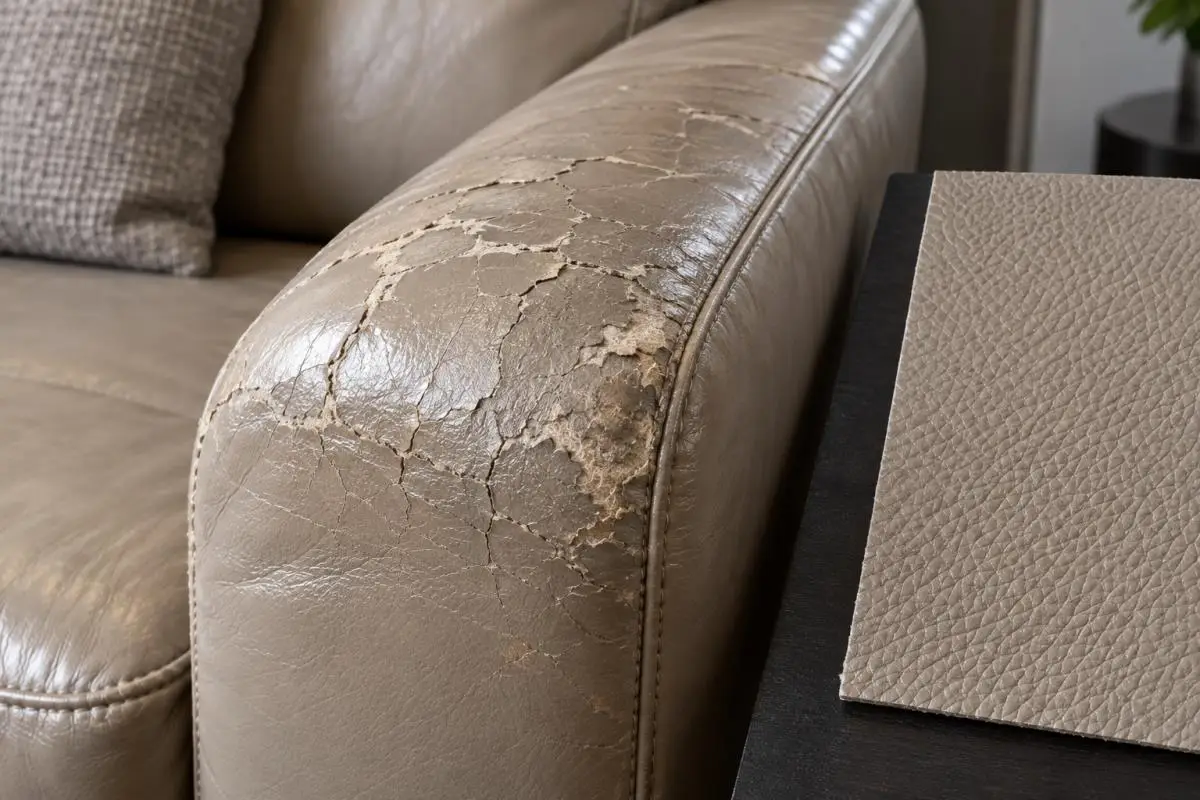
The sources we opened say bicast is less durable than genuine leather, but they give few measured data. BestLeather says it cracks, tears and dulls with use, does not develop a patina and is hard to repair, and reports that bicast furniture can crack within 6 to 8 months. That figure comes from a single site and we could not verify it, so we do not rely on it.
Test instead of trusting a number:
- Flex test: repeated bending shows whether the PU layer cracks.
- Abrasion test: wear shows whether the grain layer wears through.
- Aging test: heat and humidity show whether the coating breaks down.
Our testing standards guide explains these tests.
What should buyers and product makers check?
Ask which base the material uses before you compare prices. Five points cover most mix-ups:
- Base in writing: hide, fabric or microfiber, stated on the datasheet.
- Name on the label: make sure “leather,” “PU leather” or “vegan leather” matches what the material really is.
- Market rules: check labeling rules in each country you sell in.
- Test reports: request abrasion, flex and aging results for the exact material.
- Animal-free claims: bicast contains hide, so it cannot be part of a vegan range.
How does Fuzhou Leather approach this?
Fuzhou Leather (Dongguan Fuzhou Leather Co., Ltd.) is a PU and PVC synthetic leather and coated fabric manufacturer. Bicast is not one of its listed product lines, so this article treats it only as a comparison. Its site lists solvent-based, water-based and solvent-free PU, semi-PU, microfiber and silicone leather. See the PU leather page for the synthetic range.
Product makers who need a fully synthetic material should ask for the base in writing and approve a sample.
Looking for a fully synthetic leather?
Tell Fuzhou Leather your product and the surface you need, and ask about OEM/ODM development and sampling.
Request a quoteFrequently Asked Questions
What is bicast leather?
Bicast leather is a lower layer of split hide coated with polyurethane and embossed to resemble leather grain. It has a real-hide base and a plastic surface.
Is bicast leather the same as PU leather?
Bicast leather is not the same as PU leather. Bicast has a hide base, while PU leather is usually fully synthetic, though some listings use “PU leather” for either type.
Is bicast leather real leather?
Bicast leather contains real hide but should not be sold as plain leather. FTC guidance expects the unqualified word “leather” only for products composed in all substantial parts of leather.
What is the difference between split leather and bicast leather?
The difference between split leather and bicast leather is the coating. Split leather is the uncoated lower layer of the hide, while bicast adds an embossed PU layer on top.
Is bicast leather vegan?
Bicast leather is not vegan because its base is animal hide. Fully synthetic PU leather has no hide, but the listing should state it.
Bottom line
Bicast is coated split leather: a real-hide base with a PU surface. Fully synthetic PU leather has no hide. Ask for the base in writing, check the label rules for your market and test the finished material.