
At a glance, it seems like an uncomplicated choice.
Full-grain leather and nubuck both come from the top layer of the hide. Both are regarded as premium materials, and both show up in high-end products.
But once you move beyond samples and start manufacturing for real, the difference starts to matter much more.
It’s no longer only about what the material is. It’s about how the product performs, how comfortable it feels in use, and how it holds up over time.
Full Grain Leather Feels More “Honest”
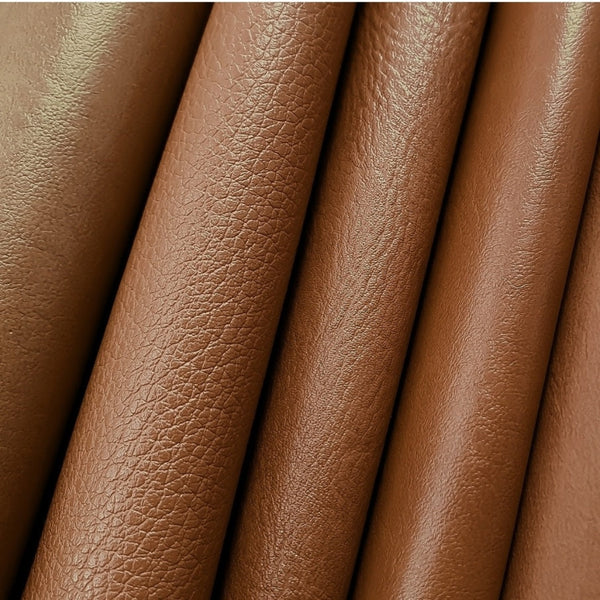
Full-grain leather is essentially the hide left in its original state. There’s no sanding and no correction—what you see is the material as it truly is.
That’s why it feels more natural. You’ll notice small differences, marks, and textures, and nothing is perfectly uniform.
In my experience, that’s usually a good sign. It suggests the leather’s structure is still intact.
And more importantly, it stands up well. Over time, it doesn’t just hold out against wear—it actually develops character. That’s why it’s so often used for products meant to last.
Nubuck Feels Better—At First
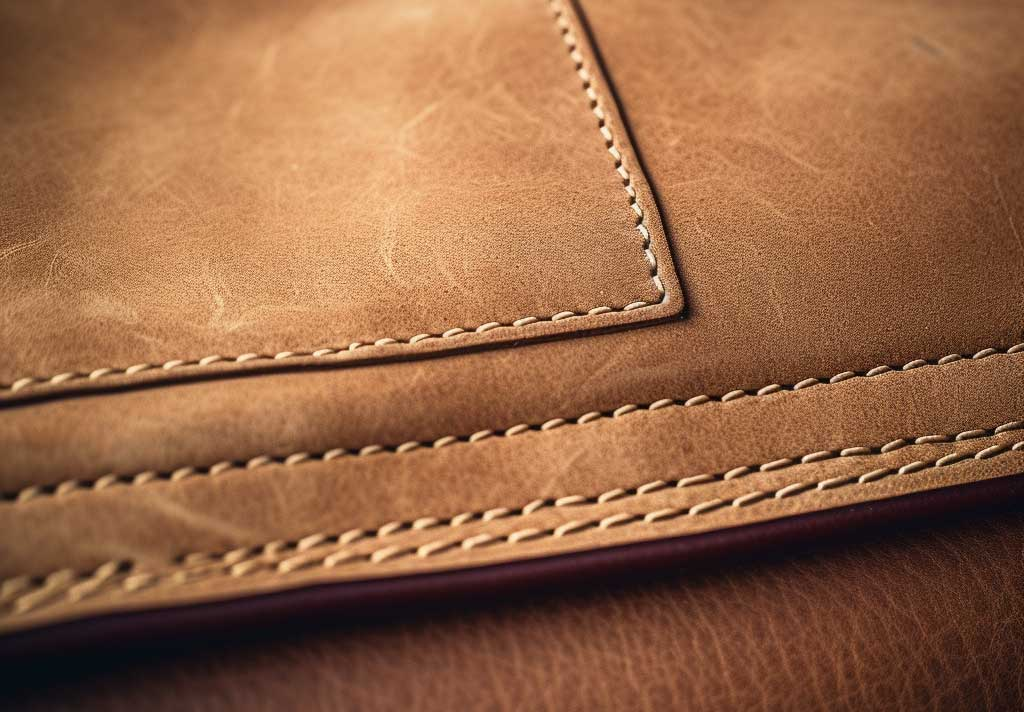
Nubuck is processed a little differently. Its surface is lightly sanded, which gives it a soft, velvety feel.
It usually looks sharper too—more even, cleaner, and more refined.
And honestly, the moment you touch it, it feels great.
That’s why it’s such a go-to choice for products where the first impression matters, like shoes, bags, and upholstery.
Of course, that softness comes with a trade-off. Nubuck is more sensitive, it absorbs more, and it requires extra care.
The Difference Shows Up Over Time
At first, the gap between the two doesn’t seem all that large.
But once you’ve used them for real, the difference quickly becomes clear.
Full-grain leather generally holds up well. It stays consistent even with wear, pressure, and day-to-day use.
Nubuck, meanwhile, can look amazing at the start, but it needs more care. It’s more easily affected by moisture, stains, and scuffing.
Neither option is “bad.” They simply age in different ways.
This Is Where Most Decisions Go Wrong
A lot of buyers end up trying to figure out which option is “better.”
But that’s usually the wrong way to look at it.
The real question is simpler: what does your product actually need?
If you’re creating something that has to hold up—resist pressure and stay consistent over time—full grain leather is often the safer choice.
On the other hand, if your goal is more about how it looks and feels, and making a strong first impression, nubuck may be the better match.
This isn’t really about quality. It’s about positioning.
Think About the End User, Not the Material
This is something many people tend to overlook.
For your customer, it doesn’t really matter whether it’s “full grain” or nubuck.
What they care about is how it feels, how it looks after you’ve used it, and whether it’s still performing well a few months down the line.
If the product gets dirty easily, or starts wearing out faster than expected, the material choice becomes obvious—really quickly.
Final Thought
Both full grain leather and nubuck are good materials.
But they’re good at different things.
One is built for durability and long-term use.
The other is built for comfort and visual appeal.
The right choice isn’t the one that sounds more premium.
It’s the one that fits your product—and still works the same way after production, not just in the sample.
For projects that require consistent quality and customizable material solutions, FUZHOU is a reliable faux leather manufacturer supporting both development and long-term production.