








Synthetic Leather by the Yard vs by the Roll: How to Order
Compares buying by retail cut versus full roll, explains factory minimum order quantities per color, and lists what to verify before ordering.
Compares buying by retail cut versus full roll, explains factory minimum order quantities per color, and lists what to verify before ordering.

Short answer: Faux leather sold into the EU and US in 2026 has two separate compliance jobs. The material must meet chemical limits: REACH restricts DMF (the classic PU solvent) at 0.3% and four…
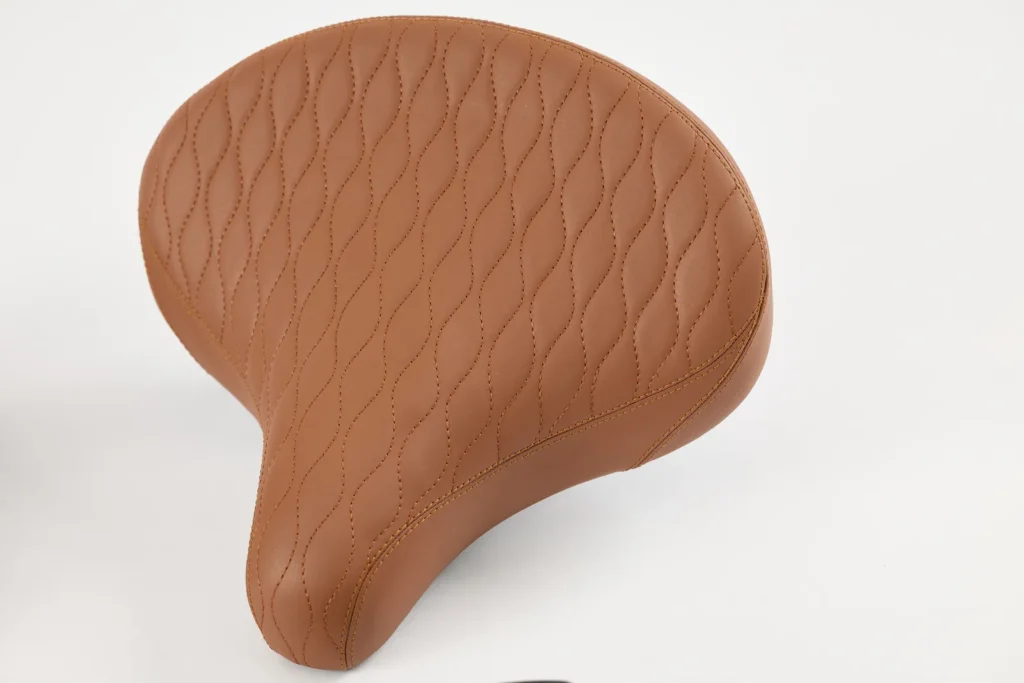
Short answer: Four families of tests cover most faux leather failures. Abrasion (Martindale or Wyzenbeek) predicts surface wear. Hydrolysis (ISO 1419 Method C) predicts whether PU will crack and peel…
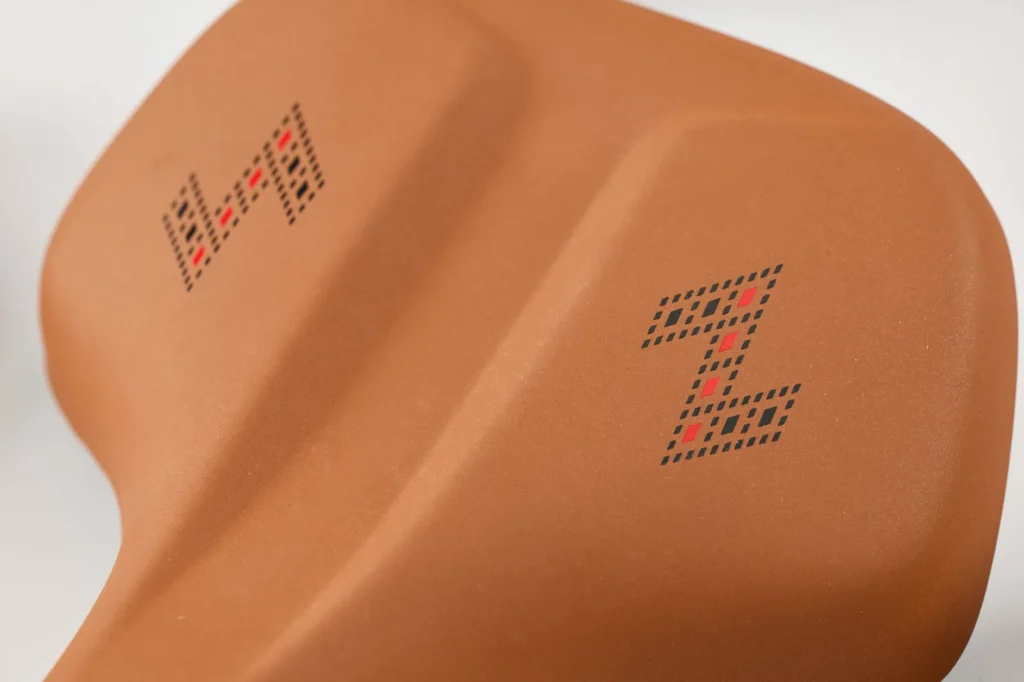
Short answer: A usable faux leather spec defines ten things: base chemistry, backing fabric, total thickness with tolerance, weight, width and roll length, surface (grain, gloss, emboss), colour…
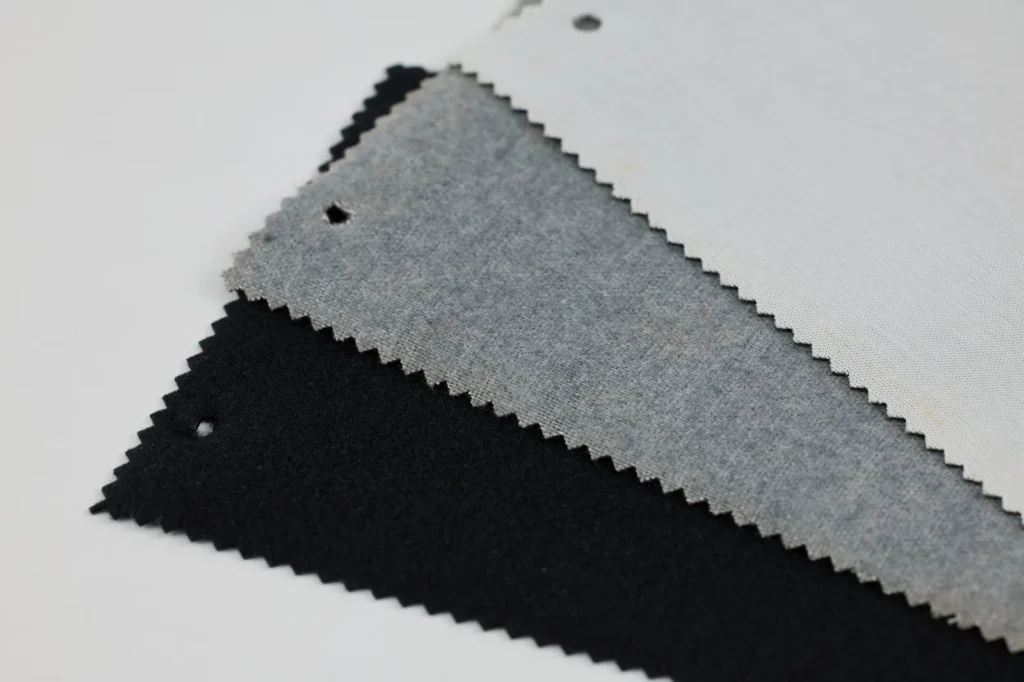
For contract leather, Martindale and Wyzenbeek are both abrasion tests, but they are not directly interchangeable. European buyers often use Martindale, while North American commercial markets…

The sample looks right, production starts, and then problems appear—processing issues, inconsistency, or unexpected defects. In most cases, the issue isn’t the material itself, but decisions made too…

If you’ve sourced faux leather before, you probably already know this: price is rarely the biggest problem.

The United States is one of the largest markets for synthetic leather materials, especially in industries such as furniture upholstery, automotive interiors, footwear, and fashion accessories. In…

PU leather is widely used in industries such as furniture, automotive interiors, footwear, and bags due to its durability and cost efficiency. As manufacturing demand continues to grow in South…

PU leather has become one of the most widely used synthetic materials in industries such as furniture, automotive interiors, bags, garments, and consumer products. Compared with genuine leather, PU…