In many projects we’ve handled, the pattern is similar.
The sample looks right, production starts, and then problems appear—processing issues, inconsistency, or unexpected defects. In most cases, the issue isn’t the material itself, but decisions made too early without enough verification.
This checklist focuses on what actually matters before placing an order.
Material Structure Must Fit Your Product
Surface appearance can be misleading. What really matters is how the material is built.
We’ve seen materials that looked perfect in samples but failed in use because the structure didn’t support bending or long-term wear. Adjusting the backing and foam layer often solves what surface changes cannot.
Sample Is Not the Same as Bulk
A good sample doesn’t guarantee stable production.
Without controlled parameters, batch differences in color, thickness, or feel are common. What matters is whether the supplier can repeat the same result consistently, not just once.
Processing Compatibility Is Critical
Materials must match your production process.
Issues like wrinkling during sewing or deformation during heat pressing usually come from poor material-process matching. This should be checked early, not after production starts.
Material Must Fit Your Processing Method
Surface appearance can be misleading. What really matters is how the material is built.
We’ve seen materials that looked perfect in samples but failed in use because the structure didn’t support bending or long-term wear. Adjusting the backing and foam layer often solves what surface changes cannot.
Sample Is Not the Same as Bulk
A good sample doesn’t guarantee stable production.
Without controlled parameters, batch differences in color, thickness, or feel are common. What matters is whether the supplier can repeat the same result consistently, not just once.
Processing Compatibility Is Critical
Materials must match your production process.
Issues like wrinkling during sewing or deformation during heat pressing usually come from poor material-process matching. This should be checked early, not after production starts.
Thickness ≠ Stability
Thickness alone doesn’t define performance.
We’ve seen materials meet thickness requirements but lose shape over time due to weak internal structure. Stability comes from how the layers are built, not just the numbers.
Compliance Must Match the Market
Certification is not about having documents—it’s about having the right ones.
Different markets require different standards. Misalignment here can delay or even block product launch.
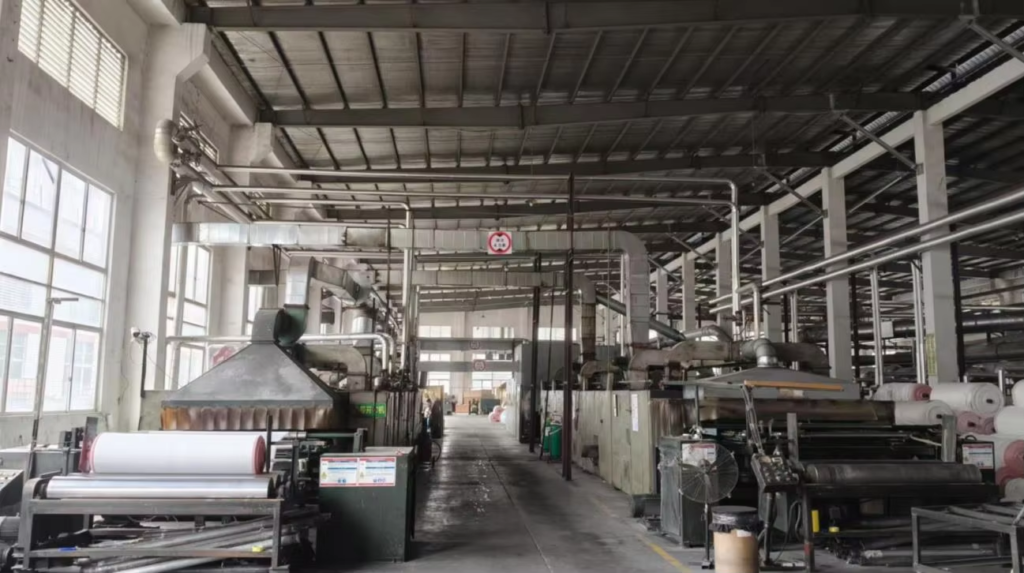
Production Capability Defines Reliability
The real test of a supplier is not sample quality, but batch consistency.
Stable production lines, controlled processes, and repeatable results are what keep your product consistent over time.
Experience Reduces Risk
Suppliers with experience in similar products are more likely to anticipate issues early.
This often makes a bigger difference than specifications alone.
Sampling Should Solve Problems Early
Sampling is not just for approval—it’s for adjustment.
A proper sampling process aligns material structure with real product use, reducing risk before mass production.
Conclusion
Sourcing faux leather is not just about choosing a material, but making the right decisions early.
Most issues come from mismatches between structure, processing, and application—and once production starts, fixing them becomes costly.
At FUZHOU, we focus on aligning material structure with real product use from the start, using controlled material selection and standardized production parameters to ensure consistency and reduce mismatches in production.