Most problems in faux leather projects don’t come from price, but from choosing the wrong material. At the sampling stage, everything usually looks fine, yet once production starts, issues begin to appear—stiffness changes, sewing becomes difficult, and finished products lose consistency. In most cases, this isn’t a simple quality issue, but a mismatch between the material and how the product is actually used.
Start With the Product, Not the Material
Many buyers start by asking whether they should use PU or PVC, but that question often leads in the wrong direction. What matters more is how your product will be used in real conditions.
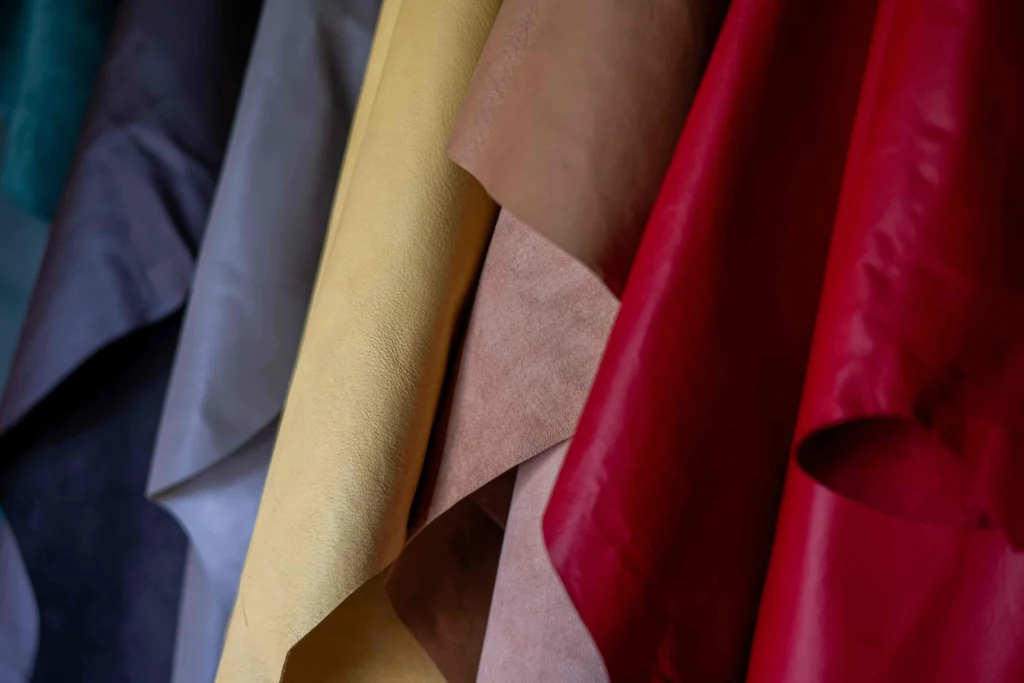
Bags require flexibility and strength to handle repeated folding, furniture needs abrasion resistance and easy maintenance, automotive interiors demand stability under heat and long-term use, while garments depend on softness and comfort against the skin. Material type is just a label; application is what truly determines performance.
Most Problems Come From Mismatch
From our experience, most issues follow the same pattern: the sample feels right, but bulk production turns out different; the surface looks good, but problems appear during processing; the thickness seems correct, yet the structure lacks stability.
On the surface, materials may look similar, but in reality, they are built differently. When the internal structure doesn’t match the product requirements, problems are almost inevitable.
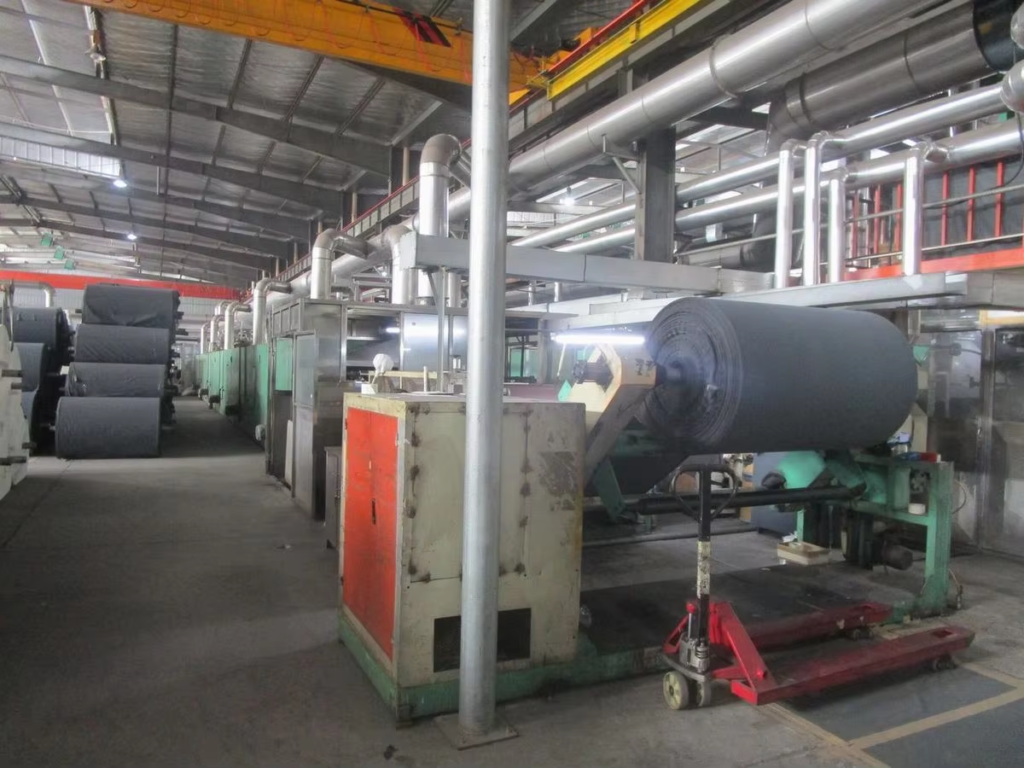
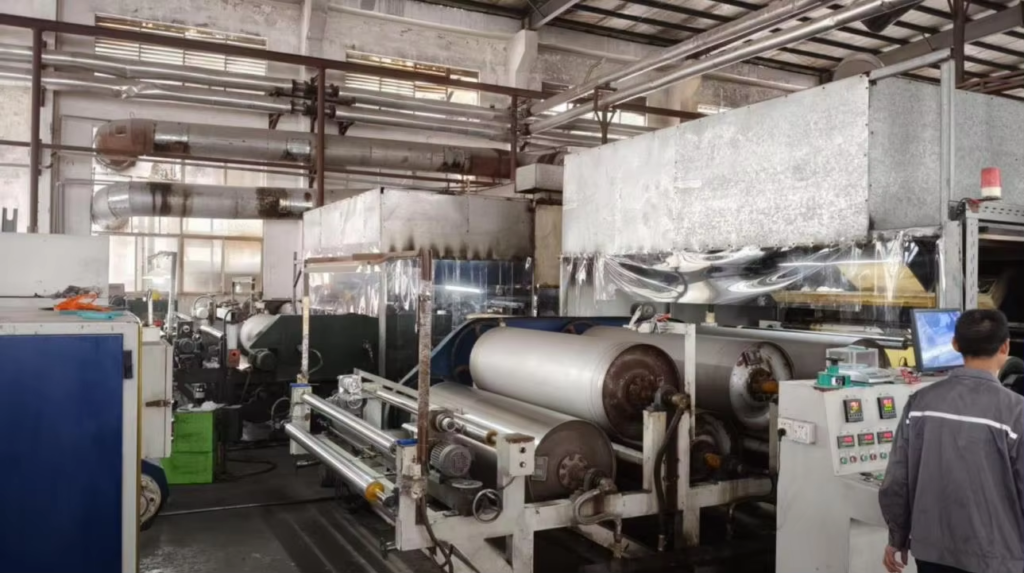
At FUZHOU, we use controlled material selection and standardized production parameters to match material structure with real product applications, ensuring consistency and reducing mismatches in production.
What Actually Matters
Instead of focusing only on the surface, it’s more important to understand how the material behaves in real use. Hand feel is only a first impression—if the material is too soft, it may lose shape during production, while materials that are too firm can create difficulties in processing.
The backing structure is often overlooked, but it plays a critical role in strength, stability, and how the material performs during sewing and forming. Thickness alone is not a reliable indicator either; materials with the same thickness can behave very differently depending on how they are constructed.
More importantly, the material must work with your production process. If it doesn’t perform well during sewing, edge folding, or heat pressing, then even a good-looking material won’t deliver a workable product.
Don’t Rely on Samples Alone
A sample can show that something is possible, but it doesn’t guarantee consistent production. In sampling, adjustments can be made easily, but in bulk production, stability becomes the key factor.
If decisions are based only on a single sample, it’s easy to overlook risks that only appear at scale. What matters more is whether the material can be reproduced consistently across batches.
What to Confirm Before You Place an Order
Before moving forward, it’s important to have a clear understanding of the material beyond its surface appearance. You should know how it is structured, whether it fits your production process, and whether the supplier can maintain consistency across multiple orders.
Equally important is whether the material can remain stable in repeat production, since many issues only show up after the first batch.
Final Thoughts
There is no “best” faux leather—only the one that fits your product, your process, and your market.
If you want to reduce trial and error, the most effective approach is not testing more samples, but working with a team that understands how different applications require different material structures. In practice, experienced manufacturers like FUZHOU often start from the application itself and then match the material accordingly, which helps shorten development time and avoids unnecessary revisions later on.