
In automotive interior projects, many people start by focusing on color, texture, and surface feel when selecting faux leather. But in real production, the issue is rarely how it looks at the beginning—it’s whether it still performs the same after months of use.
We’ve seen many cases where the sample looks perfect, but once production starts, problems appear: color variation, loss of support, or even early cracking. In most cases, the material itself isn’t the problem—the mismatch starts at the selection stage.
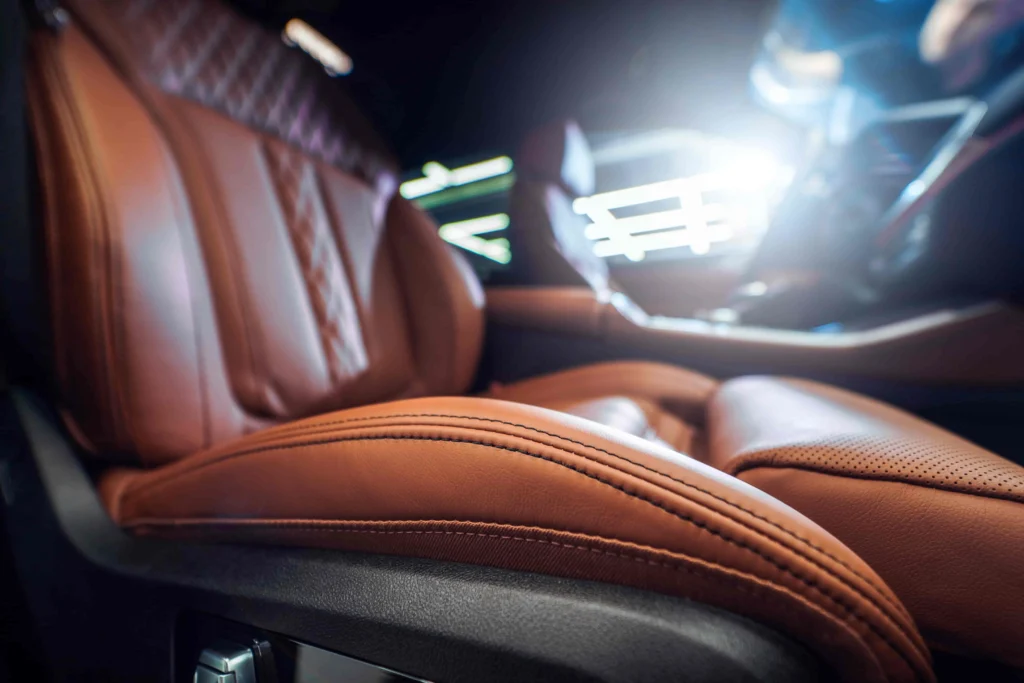
Style Comes from Surface, but Performance Comes from Structure
Color, grain, and gloss define the visual style, but what really determines performance is the internal structure.
Materials that look similar on the surface can behave completely differently depending on backing, foam layers, and coating processes. In high-use environments like car interiors, these differences become obvious very quickly.
Why Materials That Look the Same Perform Differently
It’s common to see two materials with nearly identical appearance, yet one feels softer and collapses over time, while the other maintains support and durability.
The difference usually comes from:
- Backing structure
- Foam density
- Coating flexibility
These are not visible at first glance, but they directly affect long-term performance.
Different Interior Areas Require Different Materials
Not all parts of a car interior should use the same faux leather.
Seats require abrasion resistance and long-term structural stability. Door panels and dashboards focus more on appearance and touch. Steering wheels and armrests require grip and comfort.
Using one material across all areas often leads to performance issues in specific zones.
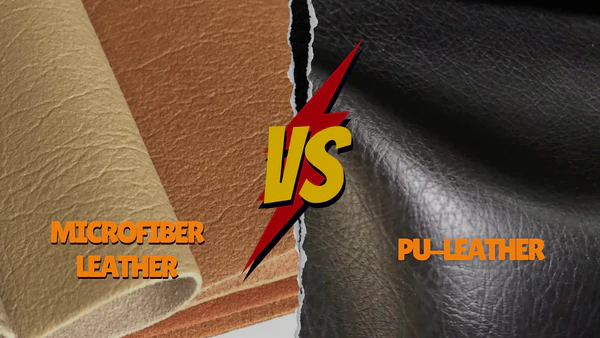
PU vs Microfiber: What Actually Matters in Automotive Use
Many comparisons between PU and microfiber focus on basic differences, but in automotive applications, the key is not which one is “better,” but which one fits your usage requirements.
From our experience, PU is often used in cost-sensitive or lower-wear areas, while microfiber offers better abrasion resistance, aging performance, and long-term stability, making it more suitable for demanding applications.
That said, even within microfiber, performance varies significantly depending on structure and process.
Why Many Automotive Projects Fail After Sampling
This is one of the most common issues.
During sampling, the focus is usually on appearance and initial feel. But in bulk production, consistency becomes the real challenge—color matching, structural stability, and batch control.
If these are not considered early, problems will show up once production scales.
How to Keep Style Consistent in Bulk Production
Automotive interiors require a high level of consistency. Even small differences in color or texture can affect the perceived quality of the final product.
Achieving this depends on:
- Standardized production parameters
- Controlled processes such as embossing, coating, and lamination
- Reliable batch management
This is why materials from different suppliers can perform very differently, even if they look similar.
Conclusion
Choosing faux leather for automotive interiors is not just about selecting a style—it’s about aligning structure with real application.
Most problems don’t come from the material itself, but from mismatches between design, processing, and usage. Once production starts, these issues become much harder to fix.
At FUZHOU, we focus on aligning material structure with real product use from the beginning, adjusting both structure and process parameters to ensure consistency in both production and long-term performance.
If you are working on automotive interior projects or facing material stability issues, addressing these factors early will save significantly more time and cost than trying to fix them later.